


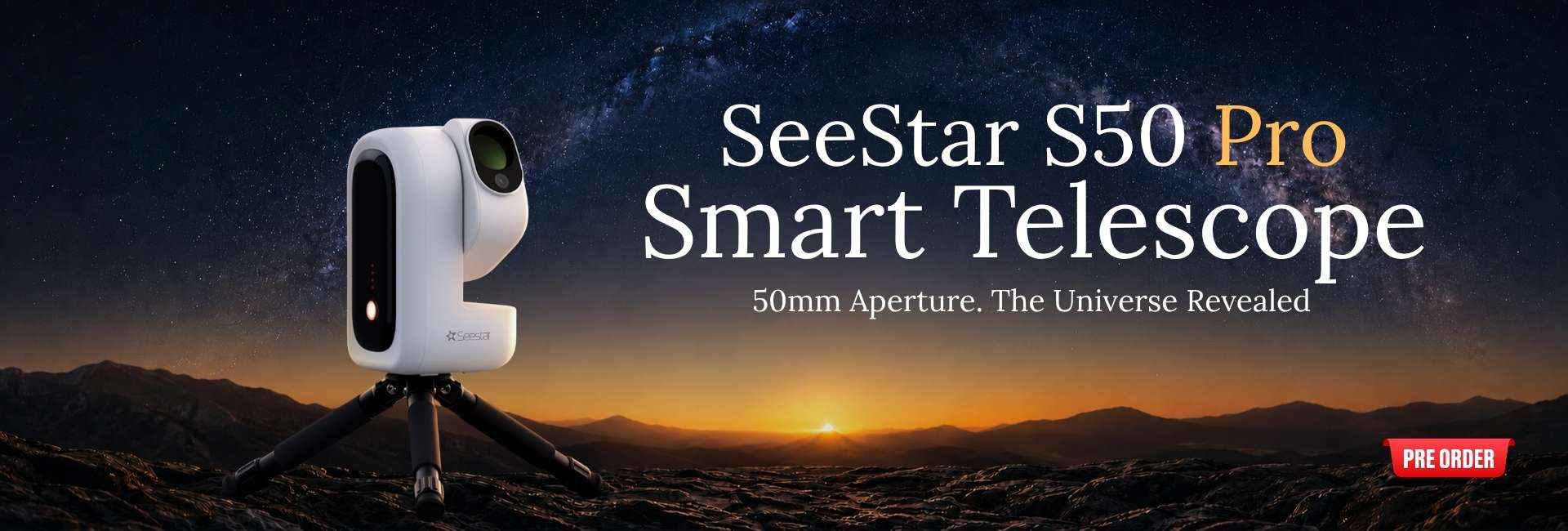
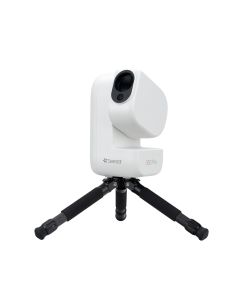
- ZWO Seestar S50 Pro Smart TelescopeOur Price $1699.00
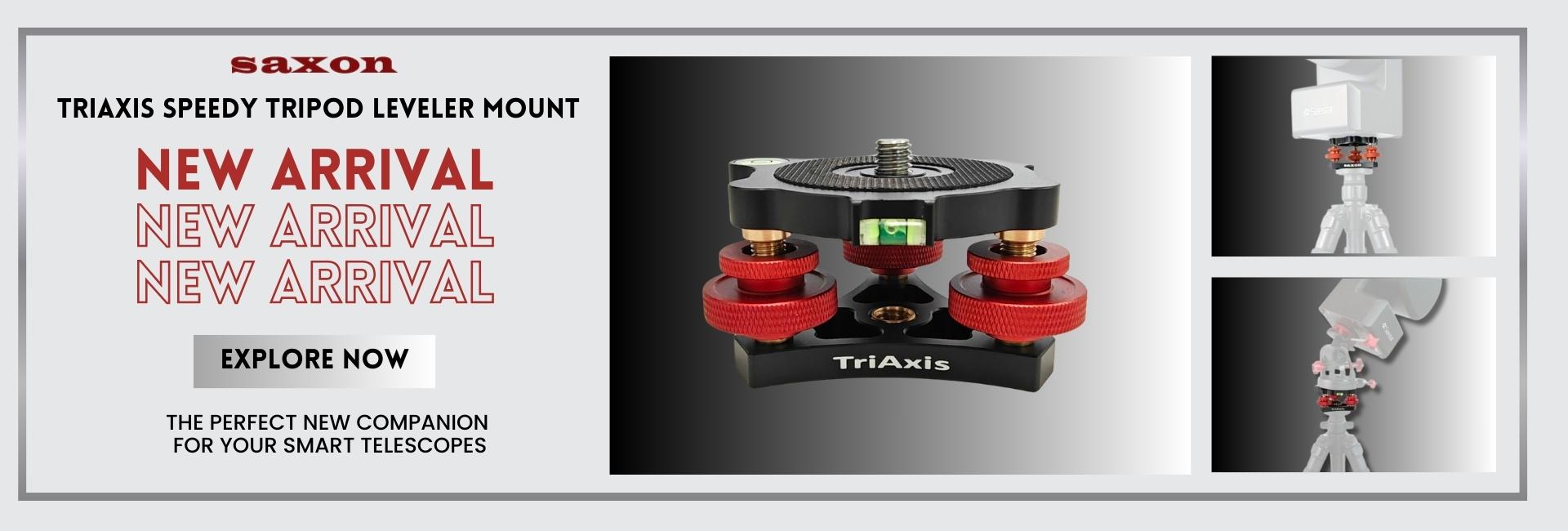
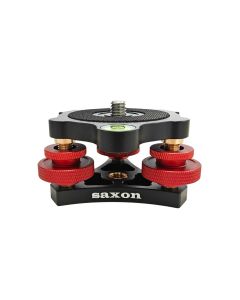
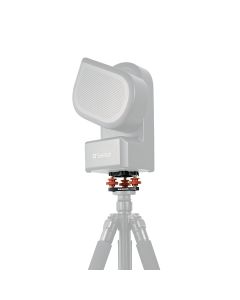
- saxon TriAxis Speedy Tripod Leveler MountOur Price $69.95
- GOVIEW ZOOMR 8x26 Binoculars - Sunset OrangeOur Price $369.95
-

 Out of stock
 - saxon SAFARI ED 10x42 BinocularsOur Price $619.95
- GPO Passion ED 8x42 Binoculars - OrangeOur Price $849.95
- saxon FCD100 127mm Apochromatic ED Triplet Refractor Telescope - OTA OnlyRRP: $4499.00 Super Special Price $3,499.00





Popular Categories



One Stop Optics Store
Find out why we're Western Australia's leading optical
retailer With the best range of optical gear in the country, and over 5 years of operating in the
same brick-and-mortar retail location, we've got the experience and the range to get you
the gear you need.
Events & Socials
Events & Socials
-
-
 Posted: September 18, 2026Read more »
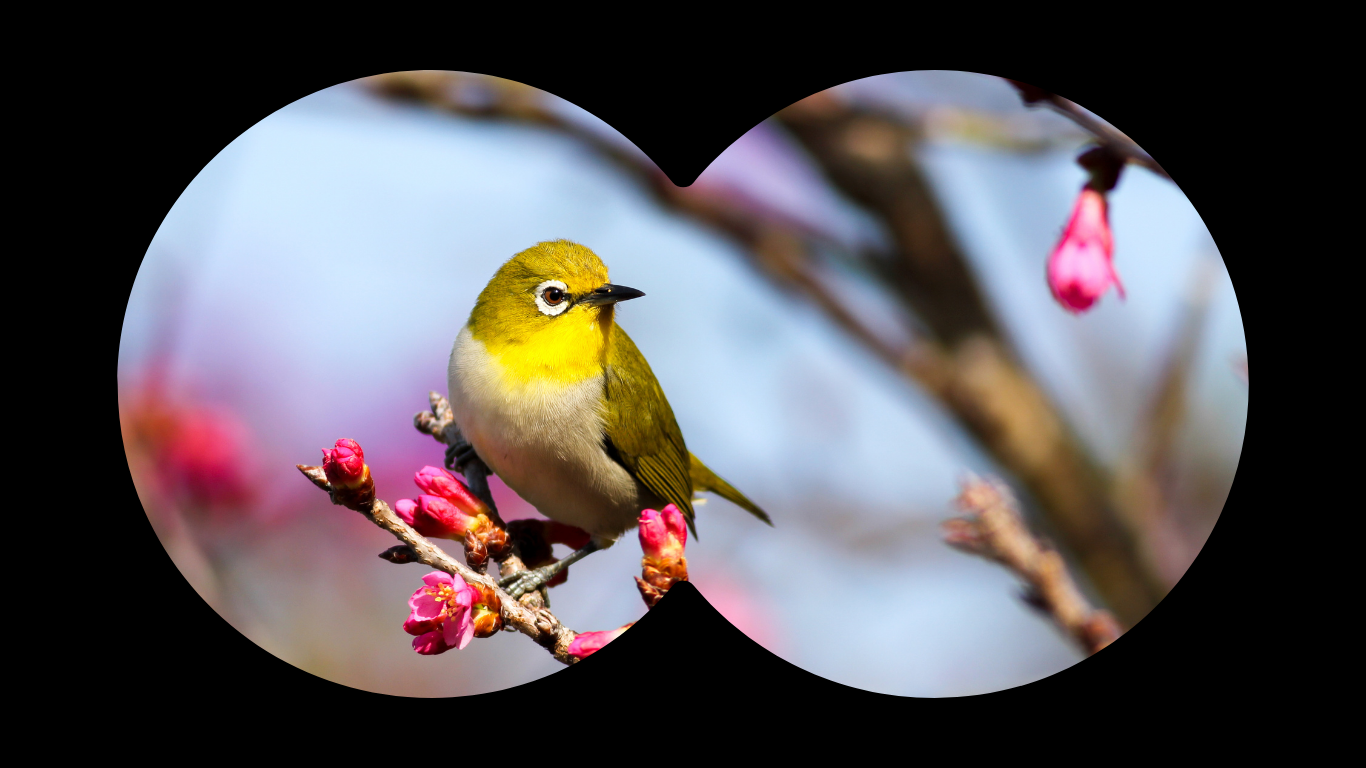
Flock Yeah: Australia's Biggest Birdwatching Week Is Back
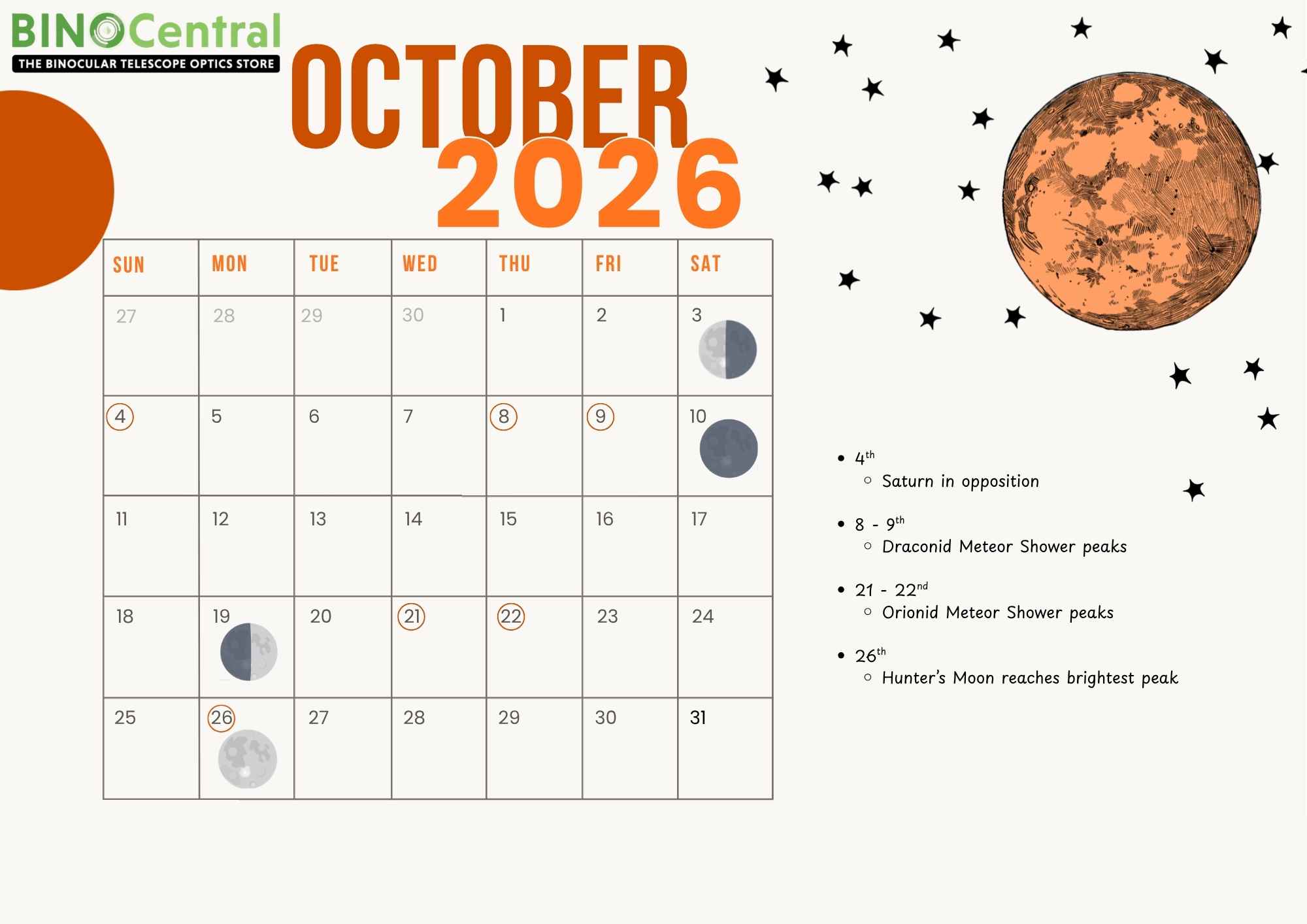
Spring is well and truly in the air across Australia. The wattlebirds are back at the grevilleas, the rainbow lorikeets are squabbling over blossoms, and somewhere in a park near you, a magpie is perfecting its morning aria (or practising its swooping technique like Nick Daicos). Every October, for one glorious week, the rest of the country catches up with what bird lovers already know: our feathered neighbours are extraordinary, and they deserve a closer look.
Running from October 19th to 25th, 2026, National Bird Week is a celebration of Australia's incredible avian diversity. Whether you’re a seasoned birder or someone who just enjoys a magpie’s warble (or Magpies football highlights) with your morning coffee, National Bird Week is the perfect excuse to slow down and look up.
What Is National Bird Week?
National Bird Week is BirdLife Australia's flagship annual celebration of the birds we share our continent with. At its heart
-
 Posted: August 20, 2026Read more »
GPO Birdwatching Binoculars
An 8x magnification is the undisputed global recommendation for birdwatching. It limits erratic handheld handshake while expanding your view to track small, fast flight paths. German Precision Optics (GPO) leverages extra-low dispersion (ED Glass) inside a lightweight magnesium alloy chassis to eliminate chromatic aberration (purple edge bleeding), revealing sharp feather markings in thick canopy shade

GPO Passion ED 8x32 Binoculars
- Price: $749.95
- Best For: Lightweight bushwalking, active trail hiking, and all-day birding on the move.
- Standout Feature: The absolute most travel-friendly model in GPO's fleet, tipping the scales at a mere 520 grams while retaining a robust, weatherproof magnesium core.
- Key Specs: Formed with an ergonomic microbridge design, it pulls in a 90% ISO-certified light transmission rate and focuses down to 2 metres for close-range garden birds.
GPO Passion ED 8x42 Binoculars
- Price: $849.95
- Best For: Low-light woodland observation,
