

Another Super New Moon Returns: June 2026
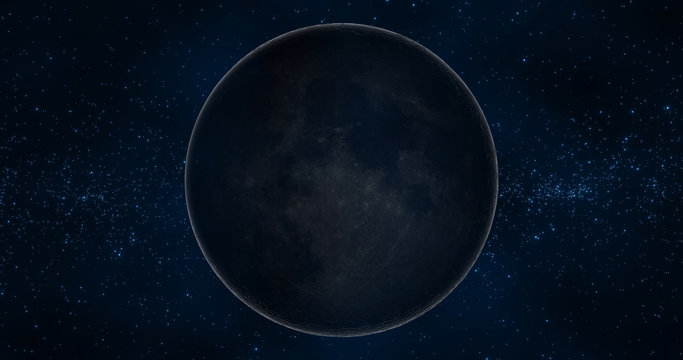
Image credit: NASA Goddard
Super New Moon Returns in June 2026: Here’s What to Know
Missed out on the Super New Moon in May? No need to worry, you'll have a second chance to witness Australia's Super New Moon again when it graces our skies during the nights of June 14 - June 16 2026. This subtle but astronomically significant lunar event won’t be visible in the sky like the last one (new moons never are), but it still plays an important role in understanding lunar cycles, tidal changes, and even the way we observe the Moon from Earth.
This guide explains:
- What a New Moon actually is
- What makes a Super New Moon different
- The real-world effects to expect
- Why missing on isn't a big deal
Let’s break it down.
What Exactly Is a New Moon?
A New Moon happens when the Moon sits directly between the Earth and the Sun. During this alignment:
- The side of the Moon facing Earth is not illuminated.
- The Moon rises and sets roughly with the Sun, meaning it’s only ‘out’ during the day.
- It appears invisible or hidden in the night sky.
This phase marks the beginning of the lunar cycle, which lasts about 29.5 days (called a synodic month). In many cultures, the New Moon represents a time for a “clean slate” by setting new beginnings and intentions.
Due to its invisibility, many people don’t realise that a New Moon has occurred, and that’s perfectly normal.
What Makes It a “Super” New Moon?
The term “Supermoon” was popularised to describe a full moon occurring near its closest approach to Earth, but it can also apply to a New Moon.
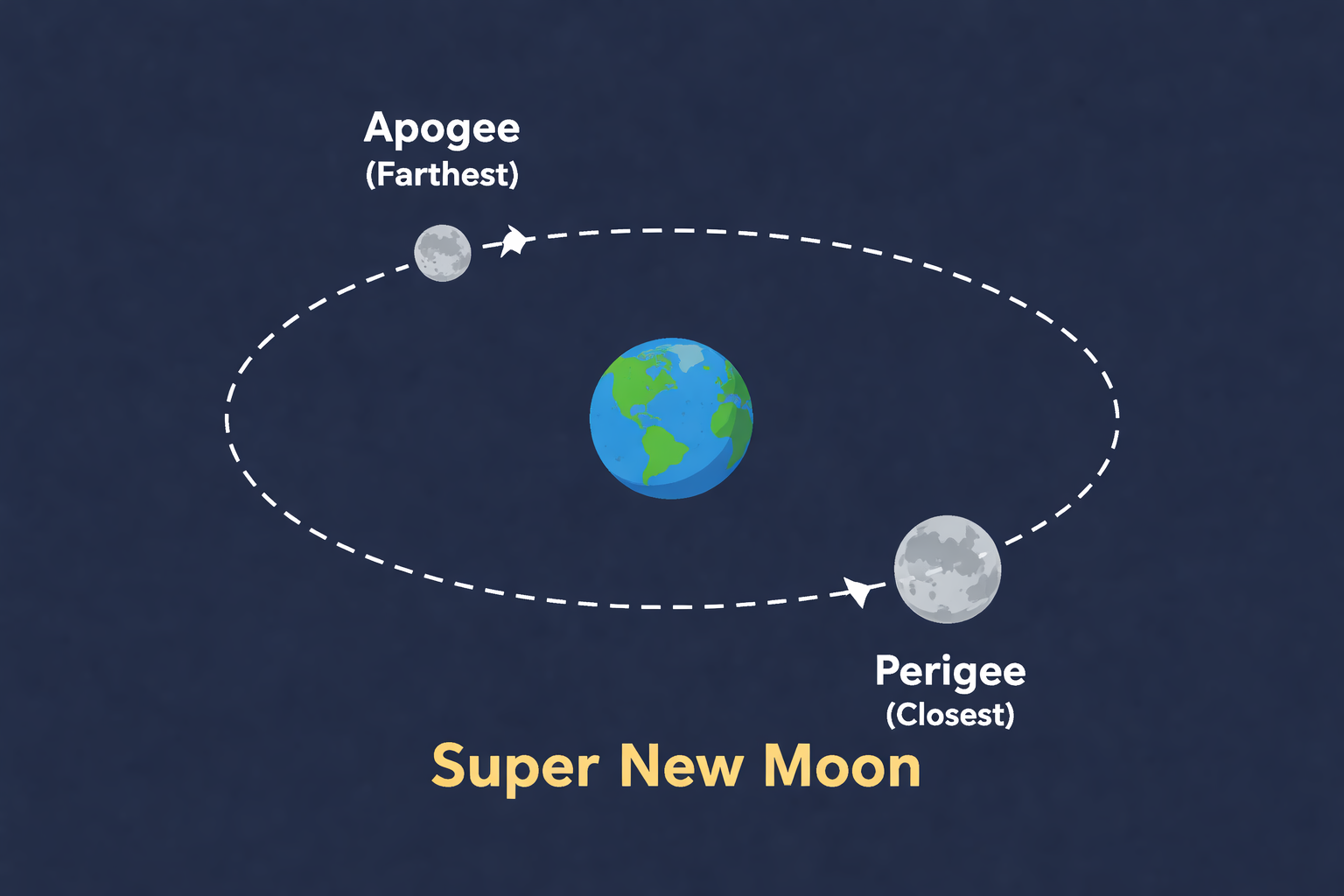
The Science Behind It
The Moon’s orbit around Earth is elliptical (oval shaped) and not perfectly circular, which constantly changes its distance from Earth, that means:
- Perigee = Closest point to Earth
- Apogee = Farthest point from Earth
When a New Moon happens close to perigee, it’s called a Super New Moon.
During June 14 – June 16 2026, the New Moon will occur very close to perigee — making it a Super New Moon.
The June 2026 Breakdown
In May 2026, the Moon had reached its "New" phase while it was exceptionally close to Earth roughly 358,594 km away. Interestingly enough, the upcoming June 2026 Super New Moon will actually be closer to Earth than the one in May, being 357,218 km apart by an additional 1,376 km.
For comparison, the average distance is usually about 384,400 km, an approximate 30,000 km difference in distance between a regular and Super New Moon.
| Regular New Moon | Super New Moon (June 2026) | |
| Distance | Average (~384,400km) | Close (~357,218km) |
| Visibility | Invisible | Invisible (but physicaller larger) |
| Gravitational Pull | Standard | Stronger |
Because it is physically closer to us, its gravitational influence is slightly more intense, making this 'second chance' moon a heavy hitter in the celestial calendar.
The Effects: What Happens on Earth?
Even though the Moon is hiding in the Sun's glare, its physical proximity has real-world consequences.
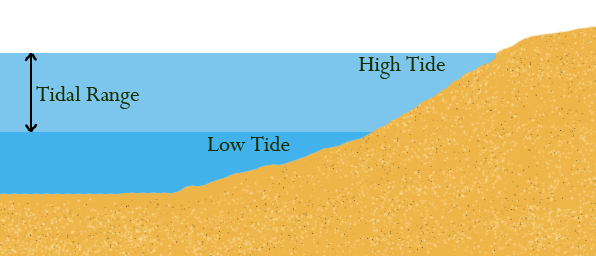
The biggest measurable impact of a Super New Moon is on Earth’s oceans.
When the Sun, Moon, and Earth align during a New Moon, their combined gravitational forces act as a celestial ‘tug-of-war’ which result in spring tides (higher high tides and lower low tides).
When the New Moon is also near perigee:
- High tides may be slightly higher than usual
- Low tides may be slightly lower
- Coastal areas can see more noticeable tidal ranges
This doesn’t mean danger or extreme events on its own. Weather systems, storm surges, and local geography play a much bigger role in coastal impacts. The Super New Moon simply enhances normal tidal patterns.
For coastal communities, astronomers and meteorologists pay attention to these dates.
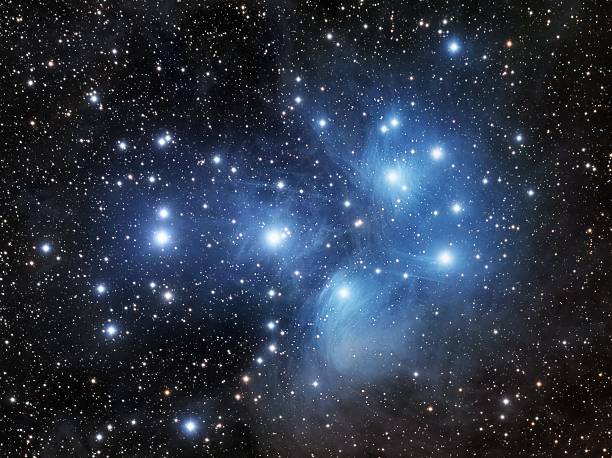
Image credit: © 2005 Russell Croman, www.rc-astro.com
Because the Moon is completely dark and absent from the night sky, a Super New Moon provides the darkest possible conditions for astronomy. With no lunar light pollution, June 14th - 16th will be the best night of the month to view:
- The Milky Way in all its glory.
- Faint stars and deep-sky objects.
- Satellites and shooting stars.
If you missed May’s event, June provides another excellent opportunity to enjoy a moonless sky.

There are many cultural beliefs surrounding lunar phases, especially super moons. However, from a scientific perspective:
-
There’s no reliable evidence linking Super New Moons to unusual behaviour
-
There’s no proven increase in earthquakes
-
The gravitational difference is measurable but modest
It’s simply a natural orbital event, not a cause for concern.
Why Missing May's Super New Moon Doesn't Matter
Lunar cycles are continuous, and Super New Moons occur multiple times over the years depending on orbital timing.
Missing one doesn’t mean missing something rare or once-in-a-lifetime.
In fact:
-
There will be more Super New Moons
-
There will be more New Moons every single month
-
The sky always gives us another opportunity
Astronomy isn’t about catching a single moment, it’s about understanding patterns and timing.
Frequently Asked Questions
Is a Super New Moon rare?
Not extremely. Super New Moons occur a few times per year, depending on how closely perigee aligns with the New Moon phase.
Is it dangerous?
On its own, no. The only noticeable impact is slightly enhanced tidal movement.
Will I see anything unusual?
No visible Moon appears during this phase. The main observable effect is darker night skies.
Is it stronger than May’s event?
Each Super New Moon varies slightly depending on orbital distance, but differences are generally small.
Should coastal communities worry?
No. It may slightly enhance normal spring tides, but it’s not inherently dangerous.
Will it look bigger?
No. Unlike a Super Full Moon, a Super New Moon isn’t visible.
Final Thoughts
The June 2026 Super New Moon is a quiet reminder of the Moon’s rhythmic orbit around Earth. It won’t light up the sky or dominate headlines and that’s alright.
If you missed May's event, then you haven’t missed out. The Moon’s cycle is ongoing, steady, and predictable.
Take the opportunity in June to:
-
Enjoy darker skies
-
Learn more about lunar phases
-
Appreciate the subtle gravitational dance between Earth and its closest neighbour
The Moon may disappear from view during a New Moon, but it never disappears from influence.