

More Than Magpies: A Week to Celebrate Australia's Birds
Flock Yeah: Australia's Biggest Birdwatching Week Is Back
Spring is well and truly in the air across Australia. The wattlebirds are back at the grevilleas, the rainbow lorikeets are squabbling over blossoms, and somewhere in a park near you, a magpie is perfecting its morning aria (or practising its swooping technique like Nick Daicos). Every October, for one glorious week, the rest of the country catches up with what bird lovers already know: our feathered neighbours are extraordinary, and they deserve a closer look.
Running from October 19th to 25th, 2026, National Bird Week is a celebration of Australia's incredible avian diversity. Whether you’re a seasoned birder or someone who just enjoys a magpie’s warble (or Magpies football highlights) with your morning coffee, National Bird Week is the perfect excuse to slow down and look up.
What Is National Bird Week?
National Bird Week is BirdLife Australia's flagship annual celebration of the birds we share our continent with. At its heart is the Aussie Bird Count, described as Australia's biggest citizen science event. The premise is beautifully simple: head outside to your favourite spot, a backyard, a balcony, a local park, or a schoolyard, and spend twenty minutes watching the birds around you and submit what you see via the free app or website.
That's it, only twenty minutes. You don't need to be an expert, you don't need special equipment, and you don't need to travel anywhere remarkable. The birds are already there, just keep an eye out.
The data gathered matters enormously. Right now, one in six Australian bird species faces the threat of extinction. Each count contributes to a national snapshot of how urban bird populations are faring, or to put it plainly, a health check for the birds that live alongside us. When tens of thousands of Australians count at once, the picture that emerges is vivid and scientifically valuable in ways that no single researcher could replicate.
Image credit: BirdLife Australia, https://birdlife.org.au/
Why It's Worth Joining
Birdwatching has quietly become one of Australia’s fastest-growing outdoor hobbies — and it’s easy to see why.
Unlike many activities, birding is:
- Affordable to get started
- Suitable for all ages
- Relaxing and mindful
- Great for families
- A reason to explore local parks and reserves
- Something you can enjoy almost anywhere
You don’t need to travel to remote wilderness areas to enjoy it either. Many Australians begin by identifying common local birds:
- Magpies
- Sulphur-crested cockatoos
- Kookaburras
- Rosellas
- Fairy-wrens
- Honeyeaters
Once you start paying attention, you quickly realise just how much birdlife surrounds you every day. The Aussie Bird Count's built-in bird finder tool can help you identify what you're seeing if you're not sure, and the app is genuinely beginner-friendly.
How to Take Part
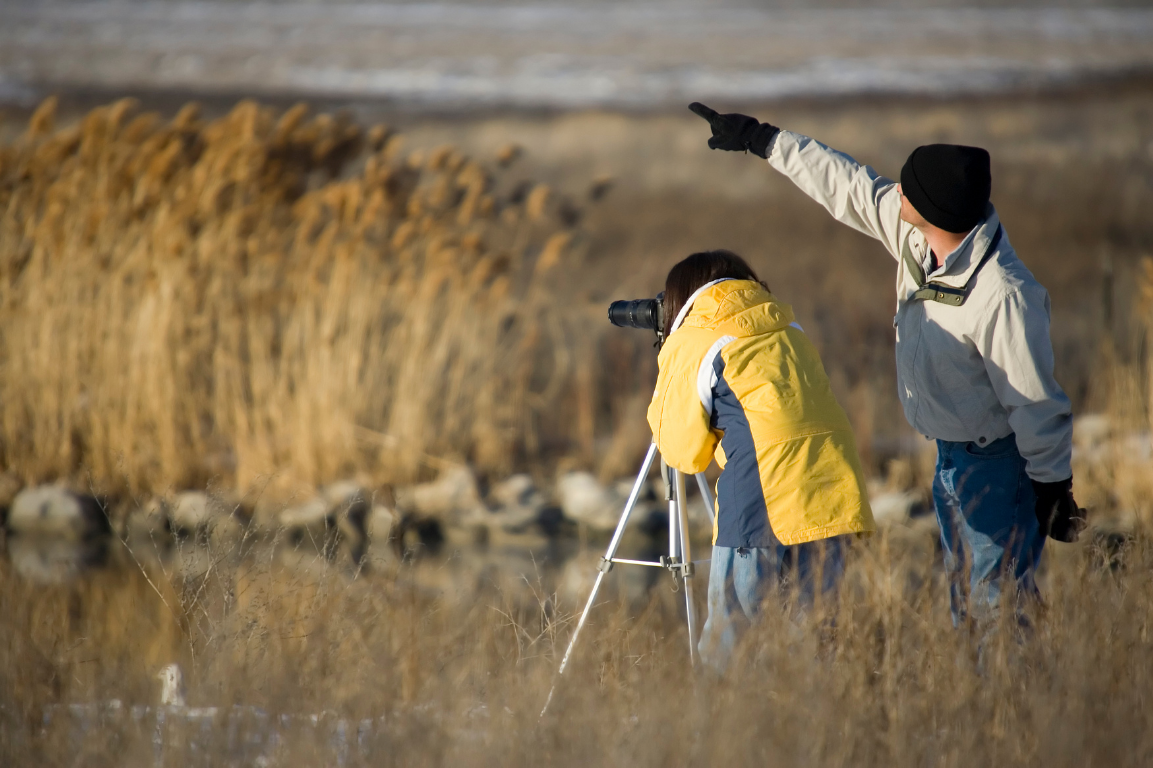
- Download the Aussie Bird Count app: An official organisation app that is free to download on iOS and Android, or use the web form at aussiebirdcount.org.au
- Pick your spot: anywhere in the outdoors will work like a garden, park, school, balcony, nature reserve
- Spend 20 minutes watching: note the species and number of birds you can see in that period
- Submit your count: you can count as many times as you like across the week
Ready to Look Closer? A Binoculars Buying Guide for New Birdwatchers
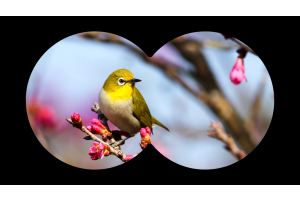
While you can certainly count birds with the naked eye, a good pair of binoculars is a total game-changer. Suddenly, that ‘brown smudge’ in the gum tree becomes a Striated Pardalote with intricate patterns you never knew existed.
If you’re looking to invest in your first pair for this year's count, the jargon can be overwhelming. Here is a simple breakdown of what to look for in 2026.
Understanding the Numbers: What Does it Mean?
Every pair of binoculars you see carries two key numbers, something like 8×25, 10x32 or 12×50. The first number is the magnification (how many times closer the image appears).
1. Best Binocular Magnification for Beginners
This is the most common question beginners ask, and the answer depends on how you plan to bird. For birdwatching, a magnification between 8x or 10x is the sweet spot.
- 8x – Offers a wider field of view (FOV), are easier to hold steady (especially important when you're new to using them), and are generally lighter
- 10x – Closer zoom for detailed viewing and are well suited to open habitats (coastlines, grasslands, wetlands) where birds are often further away. The trade-off is a slightly narrower field of view and more sensitivity to hand movement, they can be trickier to use until you've built up some technique.
Avoid anything higher (12x or more) as too much magnification is more prone to image shaking and can make it harder to follow what you are observing.
2. The Second Number: Objective Lens Size
This is the size of the glass at the front (in millimetres). The larger the lenses, the more light gets into the binoculars, which is crucial for seeing birds clearly in the shadows or during dawn and dusk.
- Compact (25mm - 28mm): Lightweight and easy to carry in a jacket pocket or small bag. Perfect if you’re travelling outdoors or sightseeing.
- Mid to Full-Size (32mm - 42mm): The best balance of bright and clear. No matter if it’s cloudy, dusk, or dawn, enough light will go through to maintain a clear quality image.
A pair of binoculars with 32mm – 42mm lens not only provides brighter images in all weather conditions, but they are also large enough to deliver light transmission without being too bulky to carry comfortably for birdwatching.
Features Worth Looking For
Not all binoculars are equal. A cheap pair can lead to blurry images, eye strain, and frustration. Here are the features worth looking for:
Field of View (FOV): A wider field of view will make it much easier to spot and follow a fast-moving bird among the sky and branches.
Weatherproof Build: Australia’s weather can be unpredictable, especially during spring mornings. Ensure your pair is waterproof and fogproof (usually nitrogen-purged) so they don't cloud up internally when you step out of a warm car into a cool morning.
ED or HD Glass: Stands for extra-low dispersion glass. It reduces chromatic aberration (that faint purple glow you sometimes see around dark objects against a bright sky) and produces truer, cleaner colour. Worth paying for if you can.
Eye Relief: Comfort matters even if you wear glasses. Look for at least 15mm of eye relief, and twist-up eyecups that allow glasses-wearers to get the full field of view without removing their specs.
Close Focus Distance: This determines how near an object can be before the binoculars lose focus. Under two metres is excellent as it is useful for butterflies and small birds feeding right at your feet.
Comfortable Weight: Birdwatching sessions can last several hours. Lighter binoculars reduce fatigue and make carrying them more enjoyable.
Budget Recommendations
Binoculars can come in a wide variety of price ranges depending on quality, size, and brand, here's a table guide to help make your potential binocular purchase much easier:
|
Entry Level ($150–$300) |
Mid-Range ($300–$800) |
Premium ($800+) |
|
Perfect for beginners who want a noticeable improvement over basic binoculars without making a major investment. Ideal for: · National Bird Week participants · Families · Casual birdwatchers
|
Offers significantly better optics, durability, and low-light performance. Ideal for: · Enthusiasts · Frequent birdwatchers · Nature photographers seeking a spotting companion |
Provides exceptional image quality and build quality that can last decades. Ideal for: · Dedicated birders · Professional guides · Wildlife photographers |
Top Binocular Picks for 2026 National Bird Week
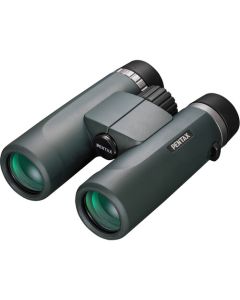
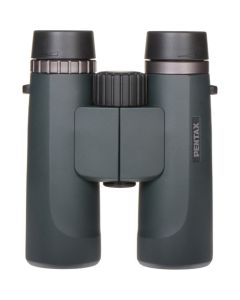
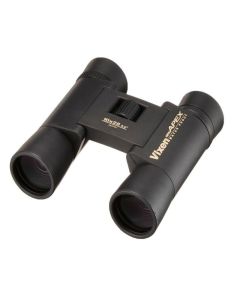
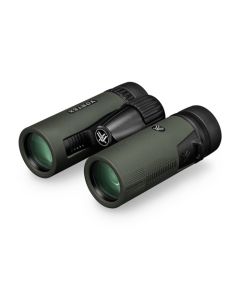
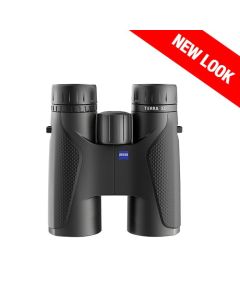
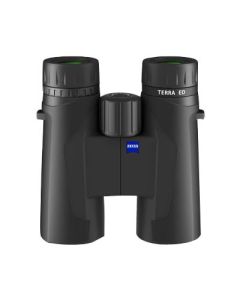
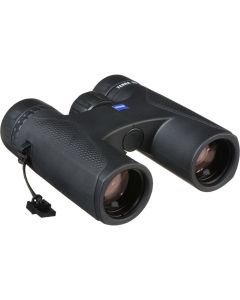
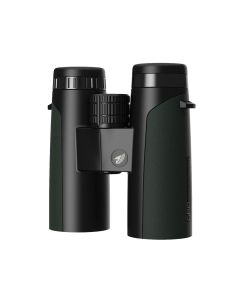
Based on performance and value, here are some solid choices to help you get started:
|
Model |
Why it’s Great |
|
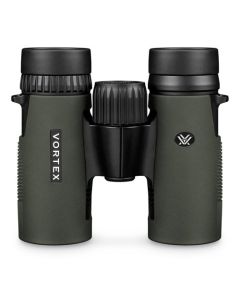
A great, compact and affordable travelling companion that has all the perks into one small build, also has multiple magnification zoom range (8x – 20x) for different viewing distances |
|
|
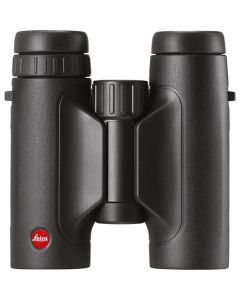
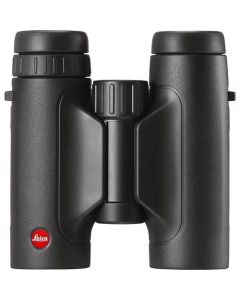
Lightweight yet durable build with water-resistant, rubber-armoured body and fully multi-coated lenses |
|
|
Compact, lightweight magnesium alloy body that makes it weatherproof and can be fit into pockets for any adventure |
|
|
A perfect mix of price to performance ratio, has ED lenses built in a rugged and durable shell that can withstand any condition |
|
|
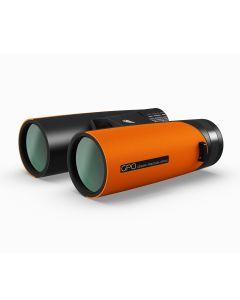
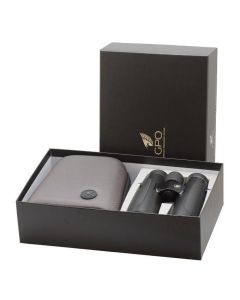
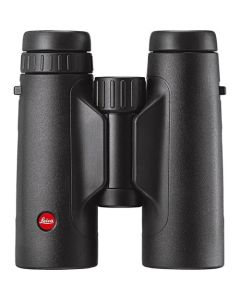
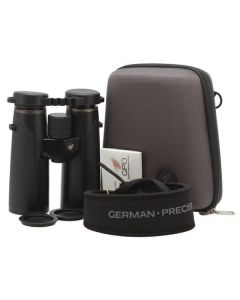
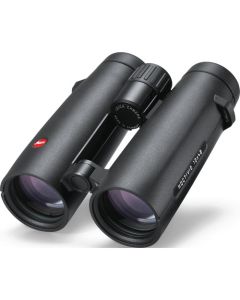
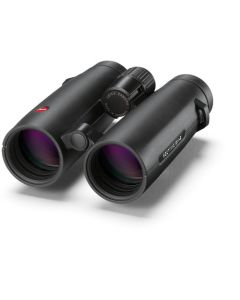
Premium optics including ED glasses, a lightweight magnesium body and GPObright™ high-transmission lens coatings that allow water and dirt to be wiped off without any smudges |
If you’re investing for long-term use besides birdwatching, premium binoculars also perform brilliantly for:
- Outdoor hiking and travelling
- Sight-seeing
- Concerts
- Stadium sports
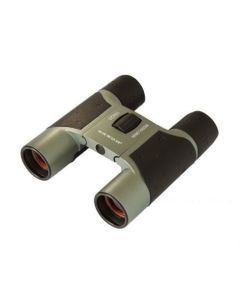
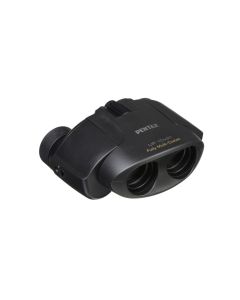
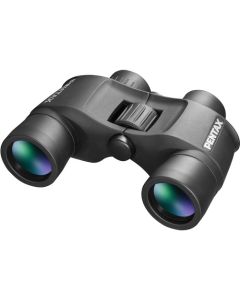
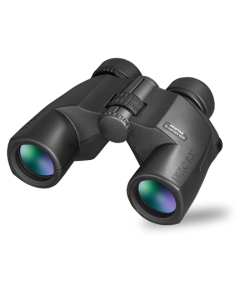
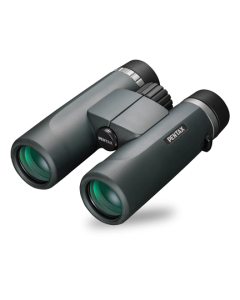
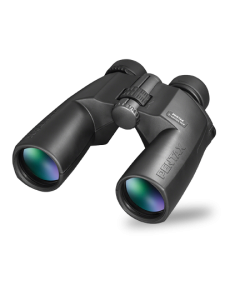
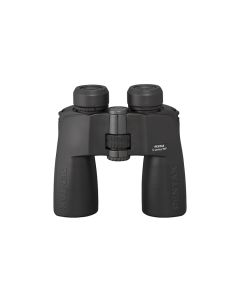
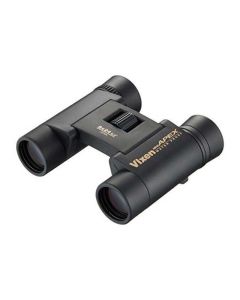
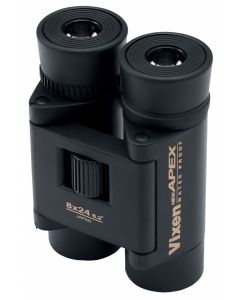
Discover more birdwatching binoculars from our wide range of inventory and find the right pair that suits your needs
-

-


-


-


-


-

-

-


-
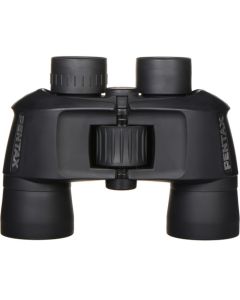
-
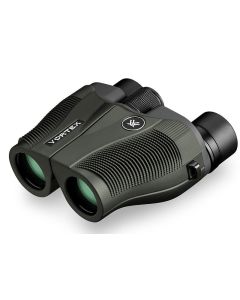

-
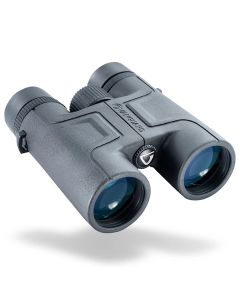
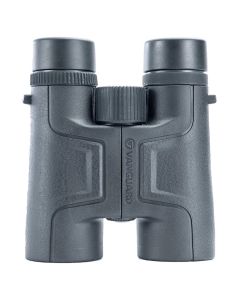
-


-
-


-


-


-
-
-


-


-


-


-


-


-


-


-
-
-


-


-


-


-


-

-


-


-


-
-


-
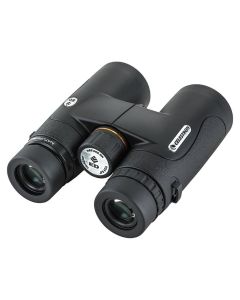
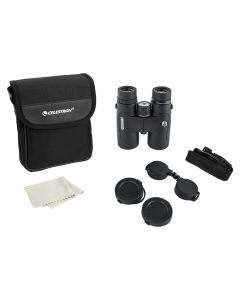 Celestron Nature DX 10x42 ED Roof Prism BinocularsOur Price $469.95
 -


-


-

-


-


-


-

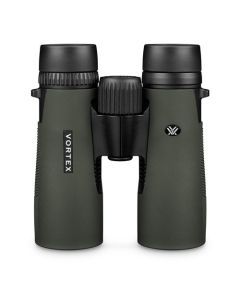
-

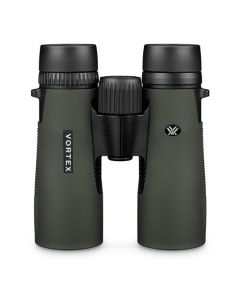
 Celestron Nature DX 10x50 ED Roof Prism BinocularsOur Price $529.95
 -

-
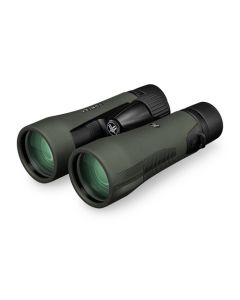

-


-

 Celestron Nature DX 12x50 ED Roof Prism BinocularsOur Price $549.95
 -


-


-


-


-


-


-


-


-


-


-
-


-


-


-


-
-

-


-

-


-

-
-
-


-


-


-

-


-


-

-


-
-

-


-


-


-

-


-

-


-


-


-


-


-

-

-

-


-
-


-

-


-


-


-


-


-


-
-


-


A Few Practical Tips Before You Buy
Try them in store if you can: Binoculars need to feel right in your hands and fit your face. We stock a wide range of binocular brands and sizes, and our staff can help you compare models side by side. Holding ten different pairs for thirty seconds each will tell you more than any review.
Ask about a BirdLife Australia member discount: Some retailers have existing arrangements with local BirdLife branches which are worth asking at the counter before you pay.
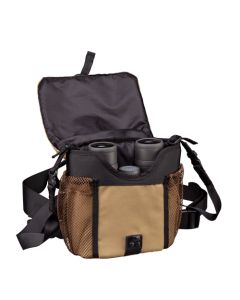
Don't neglect the strap: A quality neck strap or harness makes a real difference on a long morning walk as binoculars swinging from your neck for three hours will get heavy and troublesome. A binocular harness helps distribute the weight across your shoulders and is worth the modest extra investment for comfort and convenience.
The apps can do a lot: Before spending anything at all, download the Birdly and Birdata apps (free official apps of BirdLife Australia) from the App Store or Google Play. Between a decent smartphone camera and a good identification app, you can learn a great deal about your local birds before you ever invest in optics.
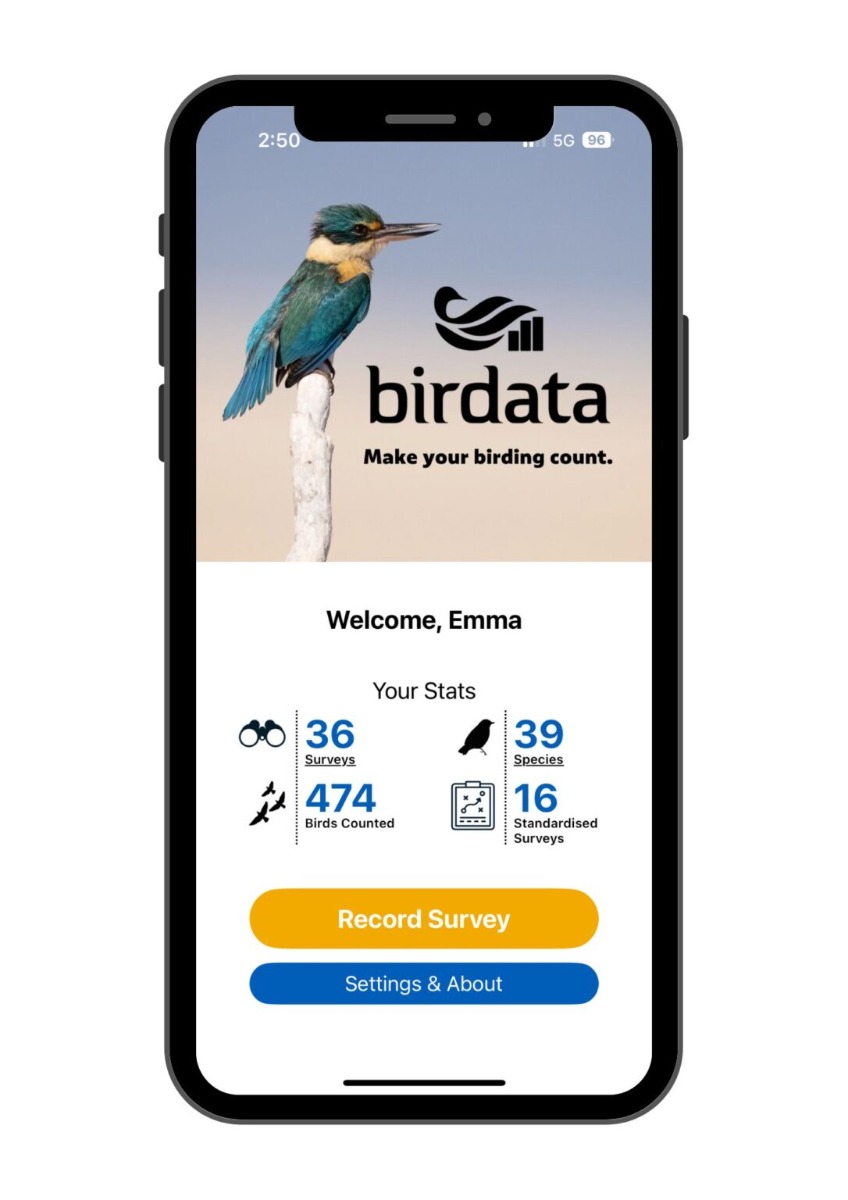
Birdata App & Logo, credit: Birdata
Making the Most of National Bird Week
If you're planning to get involved this October, consider setting yourself a simple challenge:
- Visit a local park each day during National Bird Week
- Keep a list of species you spot
- Learn to identify five new birds
- Join a local birdwatching group
- Photograph your favourite sightings
- Submit observations to citizen science projects
You'll be surprised how quickly your awareness of the natural world grows.
The Best Time to Start Is Now
National Bird Week is more than a celebration of Australia's birds, it's an invitation to reconnect with nature, discover local wildlife, and develop a deeper appreciation for the ecosystems that support us all.
If you're thinking about taking your first steps into birdwatching, a quality pair of binoculars can open up an entirely new perspective on the world around you.
Get Involved!
This National Bird Week, grab your binoculars, and once you’ve got your gear sorted, head over to the Aussie Bird Count website to register and head outdoors to see just how many feathered neighbours you've been missing. You’ll be joining tens of thousands of Australians in helping BirdLife Australia protect our feathered friends for generations to come.
Happy birding!
Give us a call! (08) 6108 4239 or email us at support@binocentral.com.au for any further advice for birdwatching binoculars.